
Step-by-Step Guide to Successful SaaS Application Development
In today’s digital-first economy, the Software as a Service (SaaS) model has emerged as the dominant force, fundamentally reshaping how businesses consume and deliver software. From collaboration tools like Slack and project management platforms like Asana to sophisticated enterprise resource planning (ERP) systems, SaaS Application Development is the engine driving this revolution. If you’re looking to launch a successful software product, understanding the structured and meticulous SaaS app development process is essential.
At Fx31 Labs, we guide visionary companies through every stage of creating high-performance, scalable, and secure cloud-based solutions. This comprehensive guide breaks down the journey of building a SaaS application, turning your idea into a profitable reality.
The Foundation: Understanding the SaaS Model
Before diving into development, it’s crucial to grasp what defines a successful SaaS product:
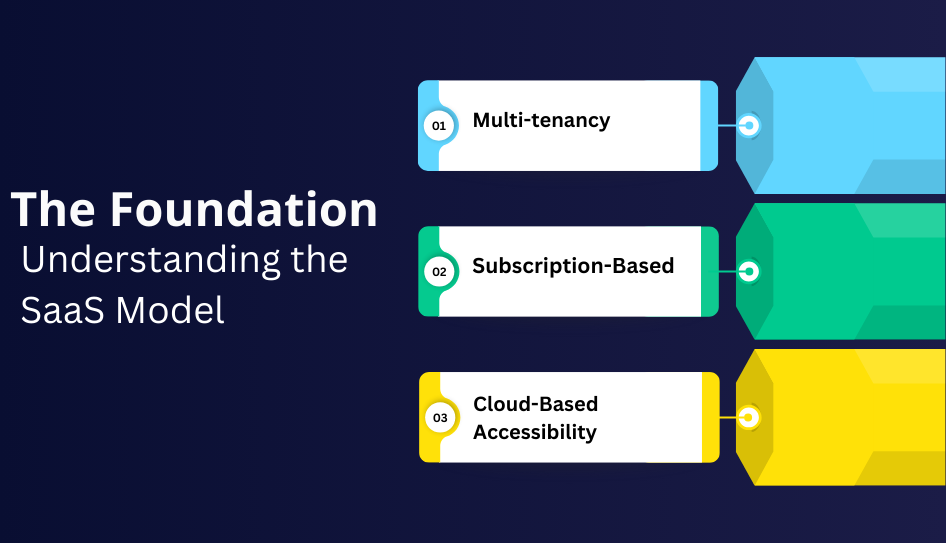
- Multi-tenancy: The application serves multiple customers (tenants) from a single instance of the software and database. This is key to cost-efficiency and scalability.
- Subscription-Based: Revenue is generated through recurring subscriptions, offering predictable income and a high customer lifetime value (CLV).
- Cloud-Based Accessibility: The application is hosted in the cloud (e.g., AWS, Azure, Google Cloud) and accessible via a web browser or mobile app, eliminating the need for local installation.
Phase 1: Strategy and Planning (The Blueprint)
Success in Custom SaaS app development begins long before the first line of code is written.
1. Market Research and Validation
- Identify the Problem: What specific, painful problem does your application solve? A successful SaaS product addresses a clear market need.
- Target Audience Definition: Who are your ideal users? Understand their demographics, workflows, pain points, and willingness to pay.
- Competitor Analysis: Evaluate existing solutions. Identify their strengths, weaknesses, and, most importantly, the gaps your product can fill (your Unique Value Proposition, or UVP).
- Pricing Strategy: Determine a tiered pricing model that aligns with the value delivered (e.g., freemium, per-user, usage-based).
2. Defining the Minimum Viable Product (MVP)
The MVP is the version of a new product which allows a team to collect the maximum amount of validated learning about customers with the least effort.
- Feature Prioritization: Select only the core features necessary to solve the primary user problem. Resist the urge to build everything at once.
- User Stories and Scope: Clearly define the scope of the MVP. This prevents “feature creep” and ensures a focused, timely launch.
3. Technology Stack Selection
Choosing the right stack is critical for scalability and future maintenance. For Cloud-based application development, considerations include:
- Frontend: React, Angular, Vue.js (for fast, responsive user interfaces).
- Backend: Python (Django, Flask), Node.js (Express), Ruby (Rails), or Java/C# (for robust enterprise applications).
- Database: PostgreSQL or MySQL (relational) for structured data, or MongoDB/Cassandra (NoSQL) for high-volume, flexible data.
- Cloud Platform: AWS, Azure, or Google Cloud (GCP) for hosting and managed services.
Phase 2: Design and Architecture
A poor architecture can cripple a SaaS product as it scales. This phase focuses on designing a robust, multi-tenant system.
1. System Architecture Design
- Multi-tenancy Model: Decide on the level of isolation:
- Shared Database/Shared Schema: Most cost-effective but requires complex security handling.
- Shared Database/Separate Schema: A good balance of cost and isolation.
- Separate Database: Highest isolation, best for regulatory compliance, but most expensive.
- Microservices vs. Monolith: Most modern SaaS applications lean toward a microservices architecture for flexibility, independent deployment, and resilience, especially for large-scale SaaS Application Development.
2. UX/UI Design
SaaS tools must be intuitive. A powerful tool with a complicated interface will fail.
- Wireframing and Prototyping: Create low-fidelity wireframes to map out the application flow, followed by high-fidelity prototypes.
- User Experience (UX): Focus on ease of use, minimizing clicks, clear navigation, and effective onboarding.
- User Interface (UI): Design a clean, professional, and brand-aligned interface.
Phase 3: Development and Testing
This is where the SaaS app development process comes to life. We follow Agile methodologies (Scrum/Kanban) for iterative development.
1. Agile Development Sprints
- Iterative Coding: Development occurs in short cycles (sprints), typically 1-4 weeks long. Each sprint results in a potentially shippable increment of the product.
- Continuous Integration/Continuous Deployment (CI/CD): Implement automated pipelines to build, test, and deploy code changes quickly and reliably. This is crucial for rapid iterations in Cloud-based application development.
2. Security First
Security must be integrated from the start, not as an afterthought.
- Data Encryption: Ensure all data is encrypted both in transit (SSL/TLS) and at rest (disk encryption).
- Access Control: Implement robust authentication (e.g., OAuth, MFA) and authorization (Role-Based Access Control – RBAC).
- Vulnerability Testing: Regular security audits and penetration testing.
3. Quality Assurance (QA)
Rigorous testing ensures the application is reliable and performs under load.
- Unit Testing: Individual components are tested.
- Integration Testing: Ensures different parts of the system work together correctly.
- Performance Testing: Crucial for scalability. Test how the application handles a large number of concurrent users (load testing).
Phase 4: Deployment and Post-Launch
The launch is just the beginning of the SaaS lifecycle.
1. Deployment and Launch
- Infrastructure Setup: Configure the cloud environment, ensuring redundancy, auto-scaling, and disaster recovery mechanisms are in place.
- Beta/Pilot Launch: Launch the MVP to a small group of early adopters to gather real-world feedback before a full public release.
2. Monitoring and Scaling
Post-launch, continuous operation and improvement are paramount.
- Performance Monitoring: Use tools (e.g., Datadog, Prometheus) to track application performance, uptime, latency, and resource utilization.
- Feedback Loop: Actively collect and analyze user feedback to prioritize the roadmap for future iterations.
- Iteration and Feature Development: The successful Custom SaaS app development journey is continuous. Based on market response and data, new features are planned, built, and deployed in ongoing cycles.
Conclusion
Building a successful SaaS application is a marathon, not a sprint. It requires meticulous planning, a scalable architecture, a security-first mindset, and a commitment to continuous improvement. By following this structured SaaS Application Development guide, and partnering with experienced developers like Fx31 Labs, you can navigate the complexities of Cloud-based application development and create a product that delivers real value and achieves market success.
FAQs
1. What is the most critical difference between traditional software development and SaaS application development?
The most critical difference is the multi-tenancy model and the deployment model. SaaS applications are built to serve multiple customers from a single, centralized instance of the software and database (multi-tenancy), which is hosted in the cloud. Traditional software is typically installed locally on a customer’s server or desktop, serving only one client. SaaS development requires a specific focus on security, scalability, and continuous updates (CI/CD) to manage the shared environment efficiently.
2. Why is defining an MVP (Minimum Viable Product) essential for a new SaaS venture?
Defining an MVP is essential because it allows the development team to validate core assumptions about the market and user needs with the least effort and time. By focusing only on the core features that solve the primary user problem, a company can launch quickly, gather real-world user feedback, and iterate based on data, preventing “feature creep” and unnecessary development costs.
3. Which technology stack components are commonly recommended for building a scalable SaaS application?
For a scalable, modern SaaS application, the recommended technology stack often includes:
- Frontend: Frameworks like React, Angular, or Vue.js for fast and responsive user interfaces.
- Backend: Languages/frameworks like Python (Django/Flask), Node.js (Express), or Ruby on Rails for robust server-side logic.
- Database: PostgreSQL or MySQL for relational data, or NoSQL options like MongoDB for flexibility.
- Cloud Platform: Major providers like AWS, Azure, or Google Cloud (GCP) for hosting, scalability, and managed services.
4. What is the role of security in the SaaS development process?
Security should be a “Security First” principle, integrated from the very start, not as an afterthought. This includes mandatory measures such as data encryption (in transit and at rest), implementing robust Role-Based Access Control (RBAC), using strong authentication methods (OAuth, MFA), and conducting regular vulnerability and penetration testing to protect sensitive, multi-tenant data.
5. After launching the MVP, what does the “post-launch” phase primarily focus on?
The post-launch phase focuses on continuous operation, monitoring, and iteration. Key activities include:
- Performance Monitoring: Tracking application uptime, latency, and resource usage.
- Scaling: Ensuring the cloud infrastructure can automatically handle increased user load (auto-scaling).
- Feedback Loop: Actively collecting and analyzing user feedback to refine the product.
Iteration and Feature Development: Using the data and feedback collected to define the roadmap for ongoing development sprints, constantly improving the product to achieve product-market fit.