
Why Hybrid App Development Is the Smart Choice for Modern Businesses

Modern businesses choose hybrid app development because it reduces development costs, speeds up launch timelines, and allows apps to run on both Android and iOS using a single codebase. For startups and enterprises aiming for faster scalability, easier maintenance, and wider market reach, hybrid apps offer a practical and future-ready solution.
Businesses today are under constant pressure to launch digital products faster while keeping costs under control. At the same time, users expect seamless mobile experiences across devices. This is where hybrid app development has become a game-changer for modern companies.
From startups building MVPs to enterprises scaling digital platforms, hybrid applications are helping brands reduce complexity without compromising performance. With frameworks like Flutter and React Native becoming more powerful, companies can now create high-performing applications with a single development approach.
What Is Hybrid App Development?
Hybrid app development is the process of building mobile applications that work on multiple operating systems like Android and iOS using one shared codebase.
Instead of developing separate native apps for each platform, developers write the code once and deploy it across devices. This approach combines elements of web and native technologies, offering a balance between performance, speed, and cost efficiency.
Key Characteristics of Hybrid Apps
- Single codebase for multiple platforms
- Faster deployment cycles
- Lower development and maintenance costs
- Easier updates and scalability
- Consistent user experience across devices
Popular frameworks used in hybrid mobile app development include:
| Framework | Best For | Major Advantage |
| Flutter | High-performance UI apps | Smooth user experience |
| React Native | Fast cross-platform deployment | Large community support |
| Ionic | Lightweight business apps | Web technology integration |
| Xamarin | Enterprise applications | Microsoft ecosystem support |
Why Are Businesses Moving Toward Hybrid Apps?
Companies today prioritize speed, flexibility, and scalability. Developing separate native applications often requires more resources, longer timelines, and higher budgets.
Hybrid apps solve these challenges effectively.
Major Reasons Businesses Prefer Hybrid Apps
1. Faster Time to Market
Launching quickly can determine whether a business captures market opportunities or loses them to competitors.
With hybrid app development, businesses can:
- Develop once for multiple platforms
- Reduce testing time
- Speed up product launches
- Release updates simultaneously
This makes hybrid apps especially valuable for startups and rapidly growing businesses.
2. Lower Development Costs
One of the biggest benefits of hybrid app development is cost efficiency.
Since developers manage a single codebase, businesses save on:
- Development resources
- Design costs
- Maintenance expenses
- Ongoing updates
For companies with limited budgets, hybrid apps provide enterprise-grade solutions without excessive investment.
3. Easier Maintenance and Updates
Managing separate Android and iOS applications can become operationally complex.
Hybrid apps simplify maintenance because:
- Bug fixes are applied once
- Feature updates are faster
- Deployment processes become simpler
- Teams require fewer resources
This efficiency helps businesses focus more on innovation rather than repetitive development tasks.
Hybrid vs Native App Development: Which Is Better?
The debate around hybrid vs native app development continues, but the right choice depends on business goals, budget, and scalability needs.
Here’s a practical comparison:
| Feature | Hybrid Apps | Native Apps |
| Development Cost | Lower | Higher |
| Time to Market | Faster | Slower |
| Codebase | Single | Separate |
| Performance | High for most use cases | Maximum performance |
| Maintenance | Easier | More complex |
| Platform Compatibility | Multi-platform | Platform-specific |
When Hybrid Apps Make More Sense
Hybrid apps are ideal for:
- Startups building MVPs
- E-commerce platforms
- SaaS applications
- Business management apps
- Customer engagement platforms
- Service-based applications
Native apps may still be preferred for highly graphics-intensive apps like advanced gaming or heavy AR/VR experiences.
However, for most business applications, hybrid solutions deliver excellent performance while reducing operational costs.
How Does Cross Platform App Development Help Businesses Scale?
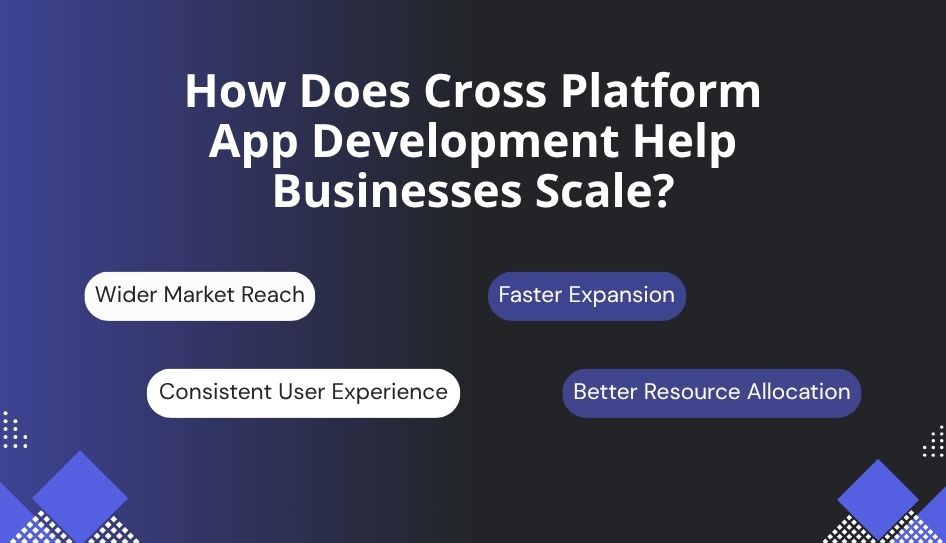
Cross platform app development enables businesses to reach wider audiences without duplicating development efforts.
This approach supports scalability in several ways:
Wider Market Reach
Businesses can target both Android and iOS users simultaneously.
Faster Expansion
New features and integrations can be rolled out quickly across all platforms.
Better Resource Allocation
Instead of maintaining separate development teams, businesses can optimize technical resources more efficiently.
Consistent User Experience
Users experience similar design, navigation, and functionality regardless of device type.
For growing businesses, this consistency improves brand perception and customer retention.
What Are the Biggest Benefits of Hybrid App Development?
The growing popularity of hybrid apps is driven by several strategic advantages.
Top Benefits Businesses Should Know
Cost Efficiency
Reduced development and operational costs make hybrid apps highly budget-friendly.
Faster Development
Shorter development cycles allow companies to launch products quickly.
Simplified Maintenance
A single codebase reduces long-term maintenance complexity.
Improved Scalability
Businesses can scale features and integrations more efficiently.
Better Accessibility
Hybrid apps work across multiple devices and operating systems.
Cloud Integration
Modern hybrid frameworks support seamless cloud connectivity and real-time synchronization.
These benefits of hybrid app development make it an attractive option for businesses aiming to remain competitive in rapidly evolving digital markets.
Are Hybrid Apps Good for Startups?
Yes, hybrid apps are often one of the smartest choices for startups.
Startups typically need to:
- Validate ideas quickly
- Launch MVPs faster
- Minimize development costs
- Adapt rapidly to market feedback
Hybrid apps support all these objectives efficiently.
Many startups prefer hybrid frameworks because they allow businesses to test product-market fit before investing heavily in platform-specific applications.
Which Industries Benefit Most From Hybrid App Development?
Several industries are actively adopting hybrid applications due to their flexibility and scalability.
Industries Using Hybrid Apps Successfully
- Healthcare
- FinTech
- E-commerce
- Education
- Logistics
- Travel and hospitality
- SaaS businesses
- Retail
These industries often require apps that are scalable, cost-effective, and easy to maintain across multiple platforms.
What Technologies Are Commonly Used in Hybrid Mobile App Development?
Modern hybrid mobile app development relies on powerful frameworks and technologies that improve performance and user experience.
Popular Technologies
- Flutter
- React Native
- Ionic
- JavaScript
- Dart
- TypeScript
- Firebase
- Node.js
Many modern development companies now combine hybrid frameworks with AI-powered solutions, cloud infrastructure, and scalable backend systems to create more intelligent applications.
How to Choose the Right Hybrid App Development Partner?
Choosing the right development partner can directly impact project success.
Look for These Factors
- Experience with cross-platform frameworks
- Strong UI/UX capabilities
- Scalable architecture expertise
- Transparent communication
- Agile development processes
- Post-launch support
A reliable development team should understand both business objectives and technical scalability requirements.
FAQs
Is hybrid app development suitable for enterprise applications?
Yes. Modern hybrid frameworks are capable of supporting enterprise-grade applications with scalable architectures, secure integrations, and high performance.
Do hybrid apps perform as well as native apps?
For most business applications, hybrid apps provide excellent performance. Only highly graphics-intensive or hardware-heavy applications may require fully native development.
Which framework is best for hybrid mobile app development?
Flutter and React Native are currently among the most popular frameworks due to their performance, scalability, and strong developer ecosystems.
Is cross platform app development cost-effective?
Yes. Cross platform app development significantly reduces development and maintenance costs by using a shared codebase.
Can hybrid apps scale with business growth?
Absolutely. Hybrid apps are designed to support feature expansion, third-party integrations, and increasing user demands efficiently.